When Worship Becomes Performance.
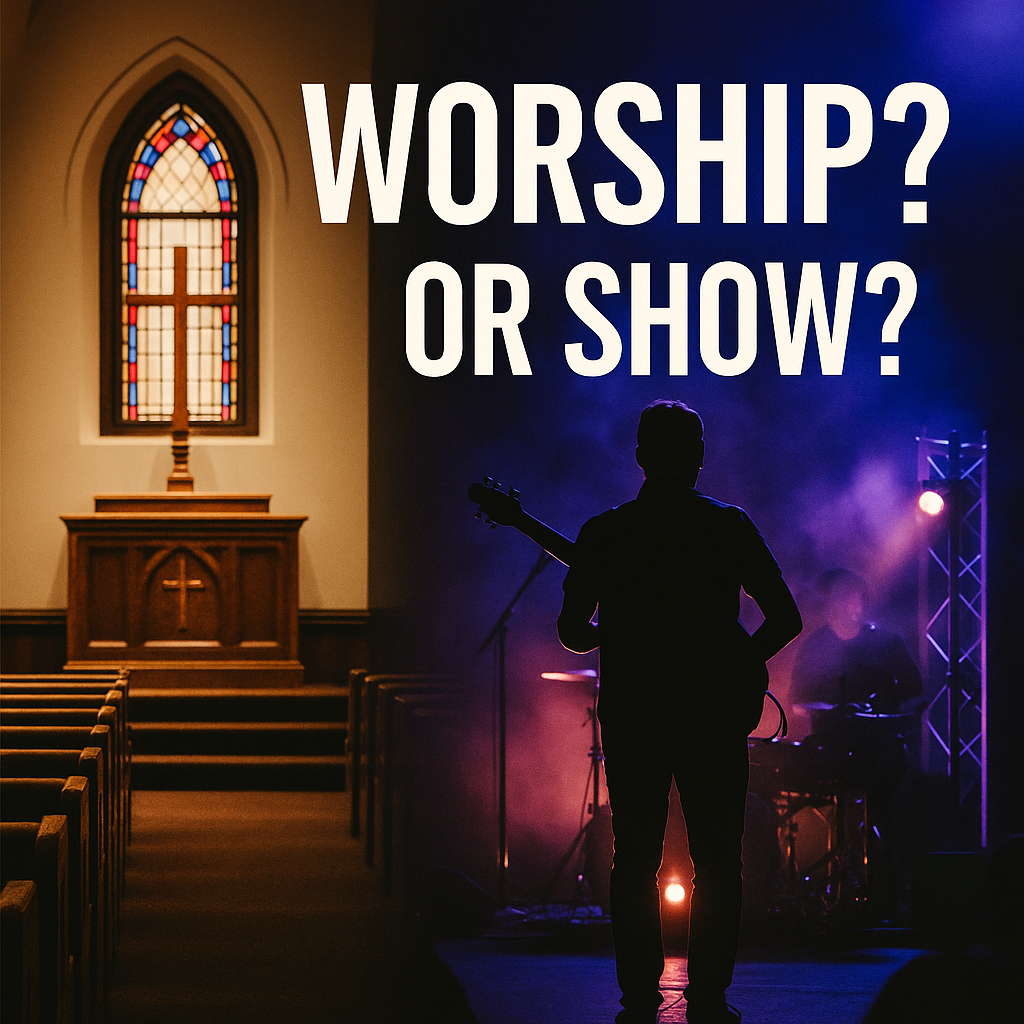
Worship is meant to be a dialogue with God, rooted in John 4:23, participatory and communal, not a spectacle. Today’s services often mirror concerts with LED walls, concert lighting, heavy bass, click tracks, and smoke, which can overshadow spiritual engagement. With altars removed or minimized, stages can center performers instead of God. Leaders are urged to pursue excellence guided by the Holy Spirit, not applause, recalling David’s resolve to offer God what costs something (2 Samuel 24). When performance takes priority, congregations become spectators rather than worshippers. The call is to train musicians as ministers, shift language from set lists to services, and make room for silence, repentance, and Spirit-led spontaneity. Sacrosanctum Concilium affirms sacred music should foster unity, solemnity, and prayerful delight. True worship is surrender to God’s sovereignty, and our offerings should rise like Abel’s accepted sacrifice.
Why I No Longer Want to Use the Word “Griot”

For decades, outsiders have lumped Africa’s jeliw, gewel, onye akwa, and countless other culture keepers under one imported label—“griot.” The word traces to Portuguese criado (“servant”) and 18th-century French colonial records, yet it still dominates textbooks and music syllabi across the continent. When we swap living, indigenous names for a foreign catch-all, we flatten rich, distinct roles—praise-singer, historian, drummer, spiritual adviser—into a single colonial shorthand. True decolonization starts with language: retiring “griot” and restoring the authentic terms rooted in each community’s tongue.
Highlife Music Showdown:
Ghana vs Nigeria – The Controversial History of West Africa’s Legendary Genre 🎶 Ghana or Nigeria? The Highlife music battle goes beyond what you think! 🇬🇭🇳🇬 From its roots in “Palm-Wine” music from Liberia, Highlife has evolved into one of West Africa’s most iconic genres. But who really owns the sound? In this video,I dive deep into […]